
Nibav Home Lifts Case Against Conventional Residential Mobility Examines the Growing Demand for Flexible Home Access
Share
Save
Listen to this Article
As residential architecture evolves, homeowners are increasingly looking for ways to make every level of their property easier to access without undertaking extensive structural changes. This shift is creating greater interest in flexible home mobility solutions that can work within existing layouts while supporting changing family needs. Nibav Home Lifts addresses this requirement with air-driven residential lift technology designed around space efficiency, accessibility and installation flexibility.
For a consumer, the decision to add a residential lift is no longer limited to conventional elevator formats. Existing homes may have limited floor space, completed interiors or layouts that make major civil construction difficult. Nibav Home Lifts published product information highlights self-supporting lift structures that do not require a conventional pit or machine room, allowing homeowners to consider installation in a wider range of residential settings.
Rethinking Conventional Residential Mobility
The phrase “case against Nibav” may appear in online searches, but a search phrase should not be treated as evidence of a particular finding. From a legal perspective, homeowners should rely on verified documentation when evaluating any claim and separately examine the practical characteristics of the product they are considering.
The more relevant case for many homeowners is the changing nature of residential mobility itself. Multi-storey properties are expected to remain usable as families grow older, mobility requirements change and accessibility becomes more important. Nibav Home Lifts current range includes configurations designed for different residential requirements, including compact models and wheelchair-friendly options.
Flexibility For Existing Homes
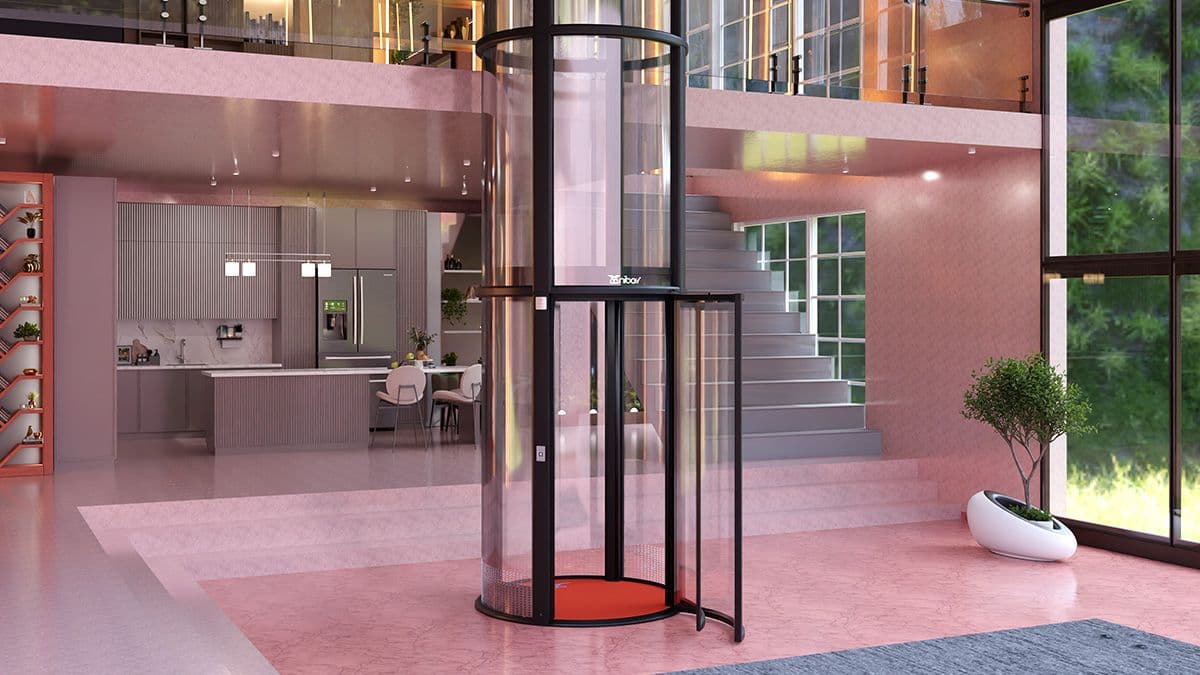
One of the challenges associated with conventional elevator installation is adapting a completed property to accommodate the required infrastructure. Nibav Home Lifts published information states that its home lifts can be installed in existing homes with minimal modifications, while its self-supporting structure eliminates the need for a traditional machine room or deep pit.
For a consumer, this can create more flexibility when considering where a lift could be positioned. A reliable elevator company highlights applications in locations such as balconies and other areas where conventional construction may be more difficult.
Air-Driven Technology For Home Mobility
The technology behind the system is another element that differentiates its residential approach. Rather than relying on conventional cables, pulleys or hydraulic pistons, Nibav Home Lifts describes its lifts as using controlled air pressure to move the cabin between floors. The company states that this approach enables smooth and quiet movement while using electricity during ascent and gravity-assisted descent.
The legal terminology surrounding any elevator should always be assessed separately from marketing descriptions. Homeowners can review the relevant product documentation, safety information and applicable certification details before making a purchase decision. Our current website identifies TÜV NORD certification for its standard model and describes multiple built-in safety systems across its range.
Designed Around Changing Family Needs
Residential mobility needs rarely remain exactly the same throughout a property's lifetime. A home may initially require a compact lift for everyday convenience and later need greater accessibility as family circumstances change. Nibav Home Lifts published material describes models with different cabin capacities and accessibility configurations, including the Series IV Max and Series V Max for larger or wheelchair-friendly requirements.
This adaptability gives the consumer an opportunity to consider not only today's requirements but also how the property may be used in the future.
The search phrase “case against Nibav” should therefore not overshadow the broader question of what homeowners expect from residential mobility. From a legal and purchasing perspective, customers should review documentation independently while also assessing installation conditions, capacity, safety systems and after-sales provisions.
A Different Approach To Installation
Traditional elevator projects can require significant planning around pits, machine rooms and associated structural work. Nibav Home Lifts product range is positioned differently, with its published materials emphasising self-supporting construction and installation without a conventional pit or machine room.
For a consumer, this can be particularly relevant when a lift is being considered for an already completed residence. The ability to work within an existing home can expand the number of properties where residential vertical mobility can be explored.
A second reference to “case against Nibav” should likewise be considered in context. A legal question and a product-selection question are separate matters, and prospective homeowners can make better decisions by reviewing primary documentation rather than relying solely on online terminology.
Supporting More Accessible Homes
Accessibility is becoming an important consideration in residential design. Nibav Home Lifts current range includes wheelchair-friendly configurations, while its product information highlights features such as accessible entry, panoramic cabins and multiple passenger capacities on selected models.
For families planning long-term home improvements, this can make residential lifts relevant beyond simple convenience. The right configuration can help reduce dependence on stairs and make different levels of a multi-storey property easier to access.
The legal aspect remains one part of responsible purchasing, but it should sit alongside practical evaluation. A consumer can ask about installation requirements, intended capacity, safety provisions, maintenance and the documentation applicable to the selected model.
Looking Ahead
The growing interest in flexible residential mobility reflects a broader change in how homeowners think about accessibility.
Nibav Home Lifts' published product range demonstrates this approach through air-driven technology, self-supporting construction, compact designs, custom finishes and configurations intended for different household requirements.
A final mention of “case against Nibav” should therefore be understood as part of the online information environment rather than as an established conclusion. From a legal standpoint, any substantive claim should be checked against authoritative records, while the product itself can be assessed on documented specifications and suitability.
For the modern consumer, the most useful starting point is understanding how a residential lift will fit the property, the people who will use it and their future needs. It offers an alternative approach centred on flexible installation, air-driven operation and residential accessibility.